ByteDance's Doubao Phone Abandons Screen-Reading AI After Apps Push Back
There’s an uncomfortable truth at the heart of the “AI phone” trend: the best AI model in the world is useless if the apps it needs to operate won’t let it in. ByteDance learned this the hard way with its first Doubao phone, and now it’s taking a fundamentally different approach.
The first-generation Doubao phone, launched in December 2025 as a ¥3,499 (~$480) prototype built with ZTE Nubia (model M153), let its AI assistant read the phone screen and simulate human taps — navigating between apps and completing multi-step tasks. It was the GUI agent dream: an AI that used the phone exactly like a person would.
China’s super-apps didn’t appreciate being automated. WeChat, Alibaba’s Taobao, and other major platforms quickly blocked the AI functions. ByteDance had no choice but to pull the feature.
The second-generation Doubao phone takes a different route. Instead of screen-reading and simulated clicks, it will only interact with apps that voluntarily offer an MCP (Model Context Protocol) interface — a structured, API-based way for apps to expose data and actions to AI agents. The Doubao assistant team is now in active negotiations with major app companies to open up those interfaces.
It’s a harder road than building the AI yourself. ByteDance can’t unilaterally decide to integrate with WeChat or Taobao anymore — it needs the apps to say yes. But it’s also the only road that works.
The production numbers reflect growing confidence. A person close to the Doubao phone team said the new generation has stocked “tens of thousands” of units, up significantly from the 30,000 units of the first run. “A phone can’t live in the experimental stage forever,” the source said. “Eventually it has to sell.”
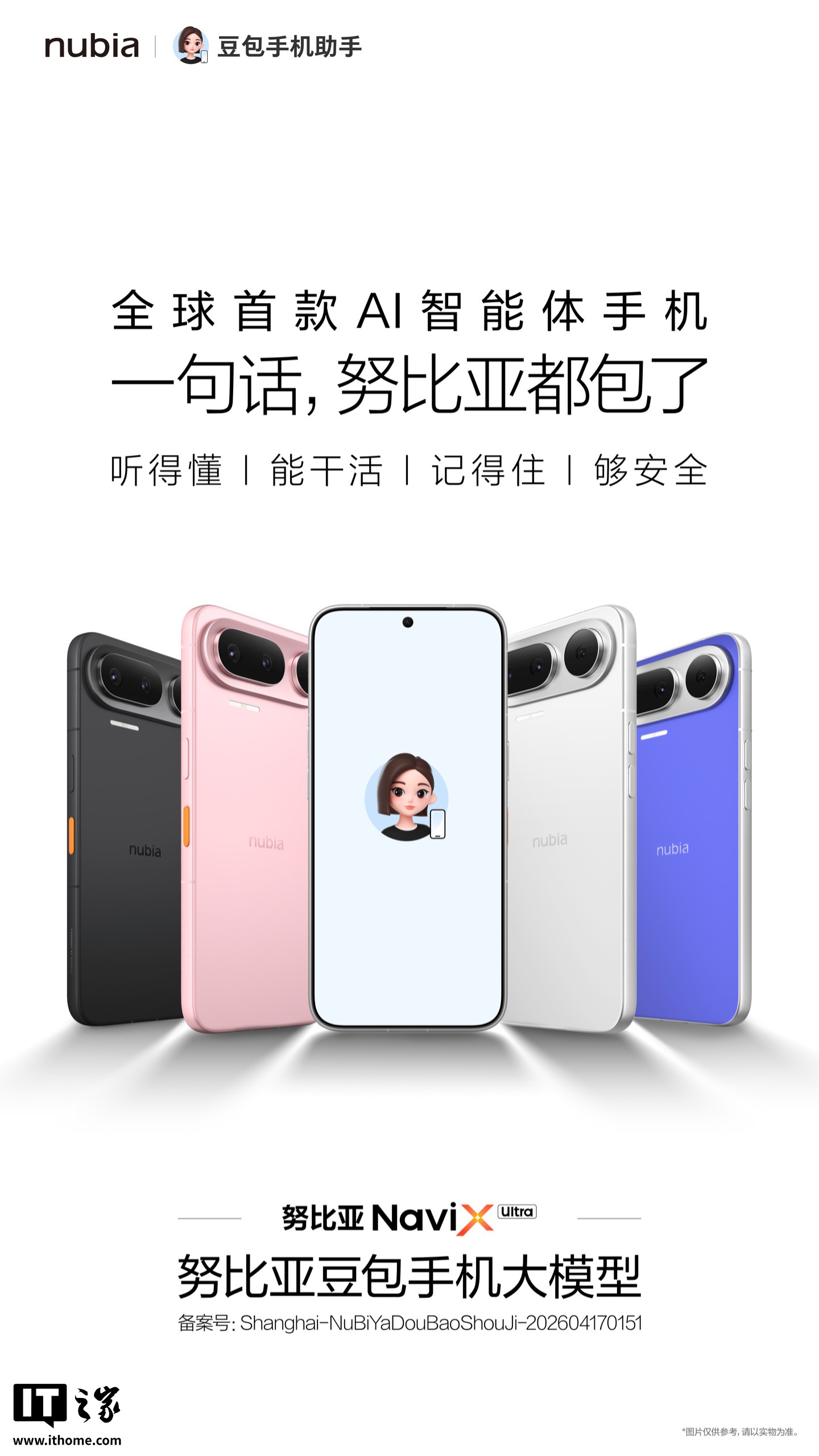
The MCP shift mirrors a broader industry trend. Apple Intelligence, Google’s Gemini on Android, and Samsung’s Galaxy AI all face the same problem: how do you give an AI assistant meaningful access to third-party apps without triggering privacy blowback or getting blocked? MCP, originally popularized by Anthropic, is emerging as a consensus standard for this exact use case.
ByteDance’s bet is that China’s super-apps will eventually see the upside. An AI that can actually complete tasks inside WeChat or Taobao drives engagement for those platforms too. But getting from “you’re banned” to “here’s our API documentation” requires a level of trust that simply wasn’t there six months ago.
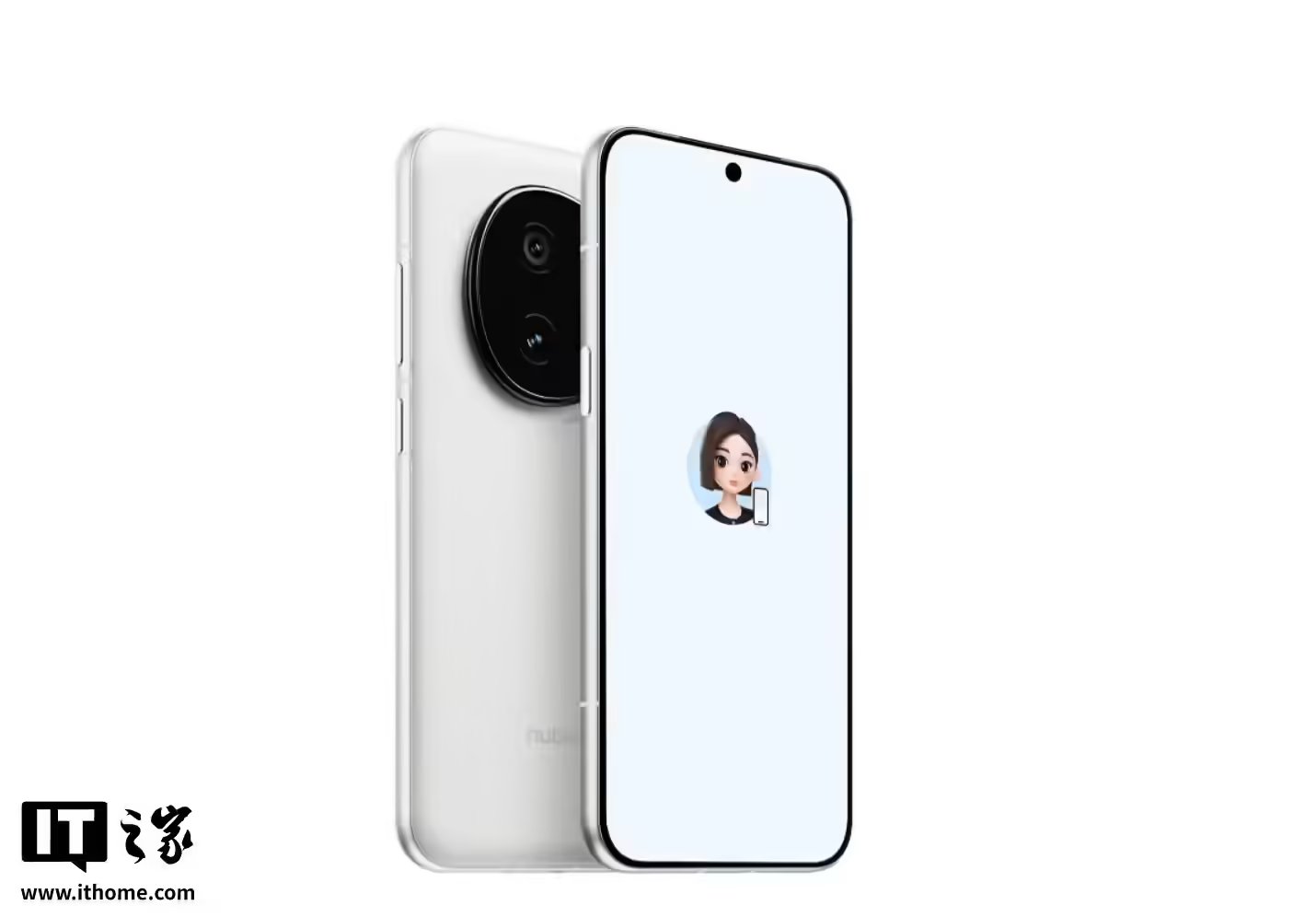
The Doubao phone isn’t the first device to hit this wall, and it won’t be the last. But the pivot from GUI automation to MCP-based integration says something about where the industry is heading: the AI phone of the future won’t pretend to be you. It will talk to apps the same way apps talk to each other — through APIs.