Your Raspberry Pi can now run fnOS — a full-featured NAS on a $35 board
fnOS, a Chinese NAS operating system that has been steadily building a following among home-server enthusiasts, announced Friday that its Arm version now supports the Raspberry Pi 3 through 5.
The move opens fnOS to the Raspberry Pi ecosystem — arguably the most popular single-board computer platform in the world, with millions of units in the hands of hobbyists, educators, and tinkerers.
The supported models include the Raspberry Pi 3B, 3B+, 3A+, 4B, and the current-gen Raspberry Pi 5. fnOS can run on any of these boards with 1 to 16 GB of DRAM, though the developers recommend at least 2 GB of memory for smooth operation. That’s a low bar — even the base Raspberry Pi 4 comes with 2 GB, and the Pi 5 starts at 4 GB.
The timing makes sense. Raspberry Pi boards have long been pressed into service as low-power home servers — running Pi-hole, Plex, or lightweight NAS setups through OpenMediaVault. But those setups often require manual configuration and command-line tinkering. fnOS offers a more polished experience out of the box: photo backup, media indexing, disk management, and a web-based interface that doesn’t require SSH.
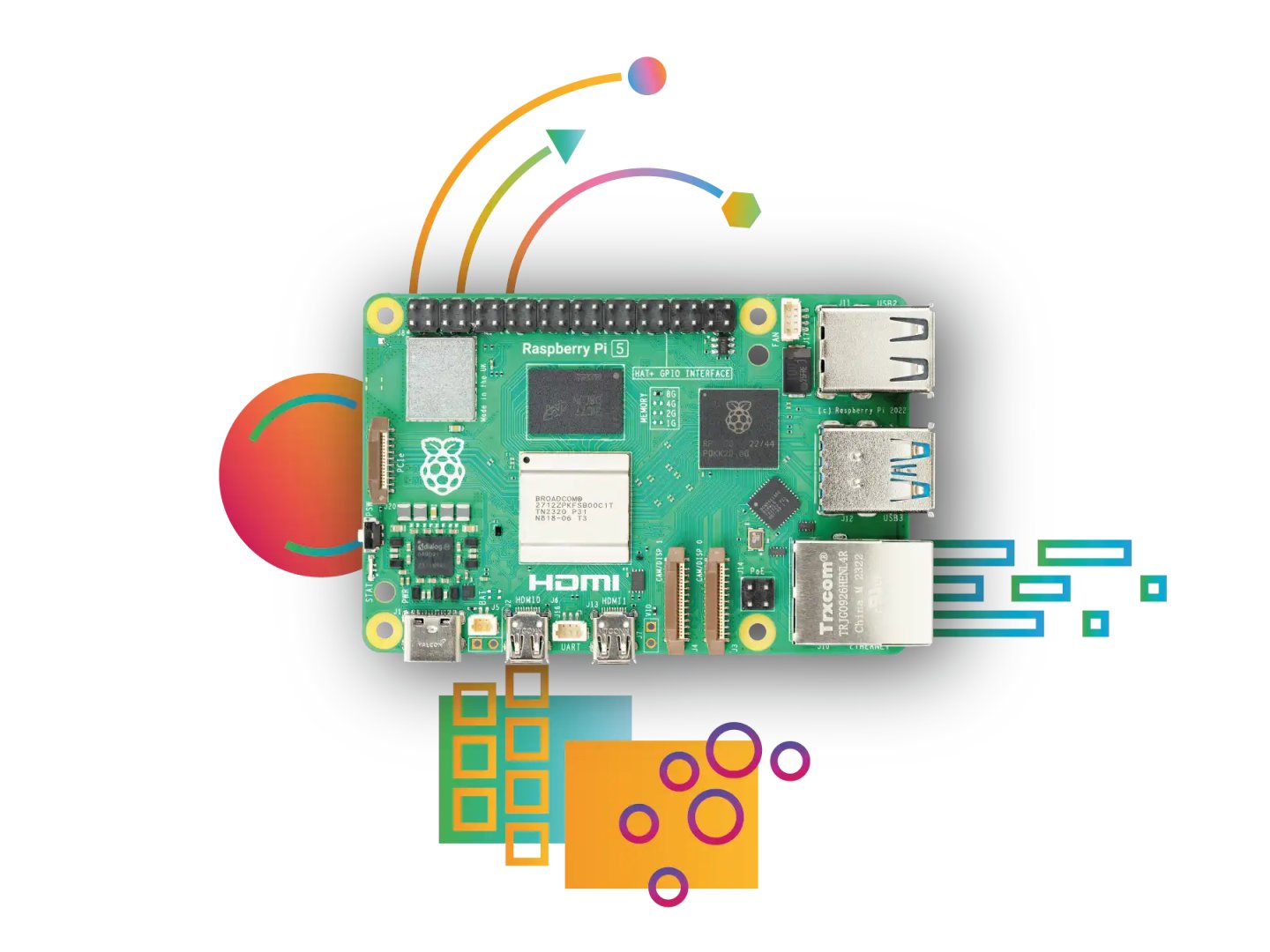
Friday’s announcement comes alongside other Arm-related updates. The new release adds iSCSI protocol support, which lets the NAS present block-level storage over a network — useful for VMware, Hyper-V, or any environment that prefers raw storage volumes over file shares. fnOS also opened its app center to third-party developers this week, with the Hermes agent among the first listings.
For international users, the fnOS-on-Raspberry-Pi combination is worth watching. A complete home NAS build — Raspberry Pi 5, a case, an SSD, and an SD card — costs well under $150. That is significantly less than an off-the-shelf Synology or QNAP unit, even the entry-level ones. The trade-off is performance: a Pi 5’s quad-core Cortex-A76 can handle file serving and media streaming, but it won’t compete with an x86 NAS for heavy transcoding or multiple simultaneous virtual machines.
Still, for the price of a dinner out, you can now have a purpose-built NAS operating system running on hardware that fits in your palm. That’s a compelling proposition for anyone who has been curious about home servers but did not want to invest in dedicated hardware.
fnOS is available as a free download. The Raspberry Pi image can be written to a microSD card using the standard Raspberry Pi Imager or balenaEtcher.