Google drops its last objection — rival app stores are coming to Google Play in 7 days
A federal antitrust ruling that Google spent nearly two years trying to kill is about to take effect. On July 22, Google Play will begin hosting rival Android app stores — no sideloading required.
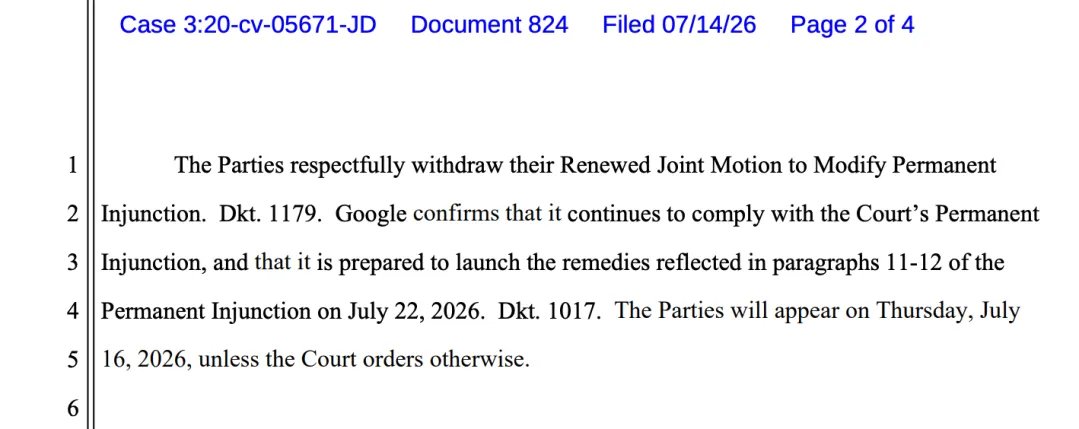
Google and Epic Games jointly withdrew their competing court motions on Tuesday, one day before a scheduled hearing. The move ends a protracted legal fight over how much control Google can exert over Android app distribution, at least for now.
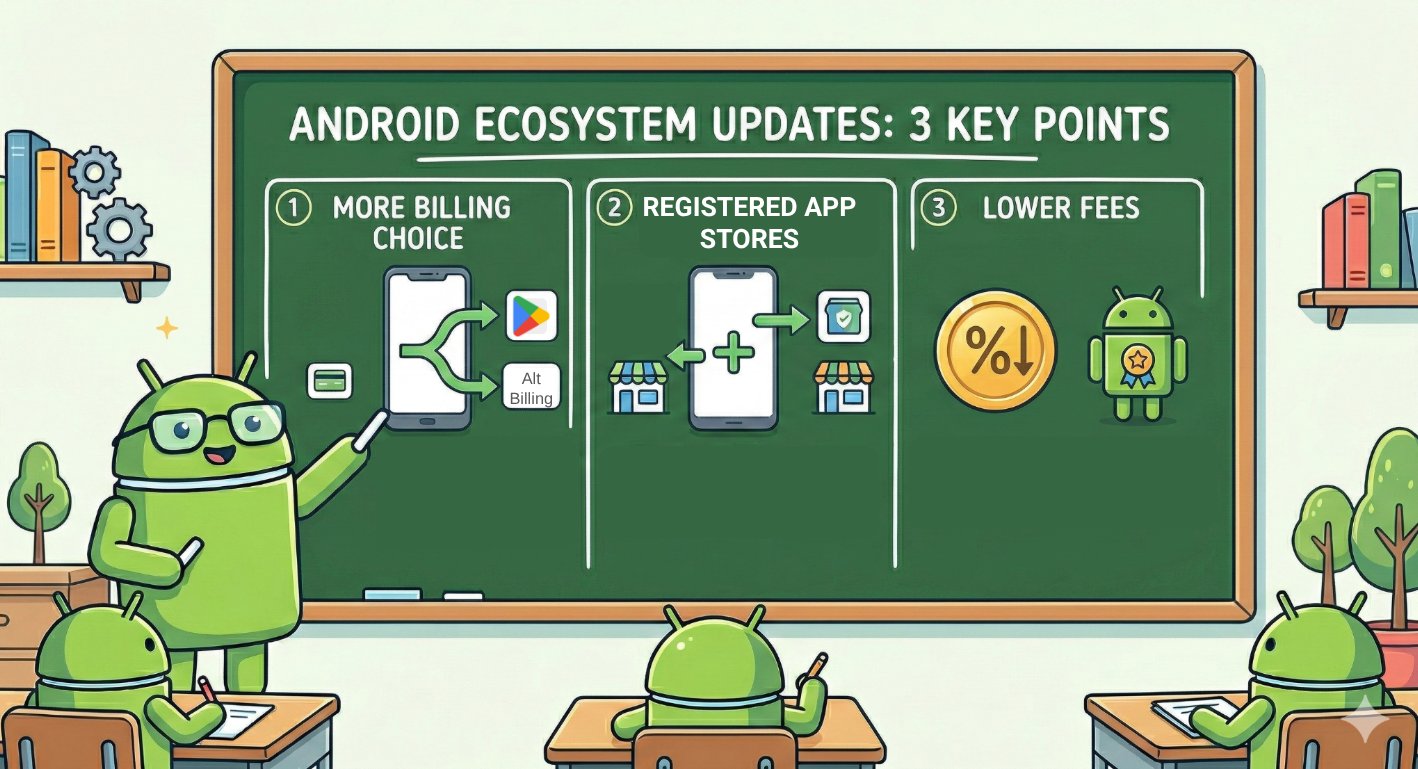
The case traces back to October 2024, when US District Judge James Donato ruled that Google held an illegal monopoly over Android app distribution. His remedy was direct: Google Play had to open its doors to competing stores and share its app catalog with qualified third-party platforms. Google appealed, fought for modifications, and even proposed an alternative system called “Registered App Stores” that would funnel rival stores through sideloading rather than hosting them directly. The court wasn’t interested.
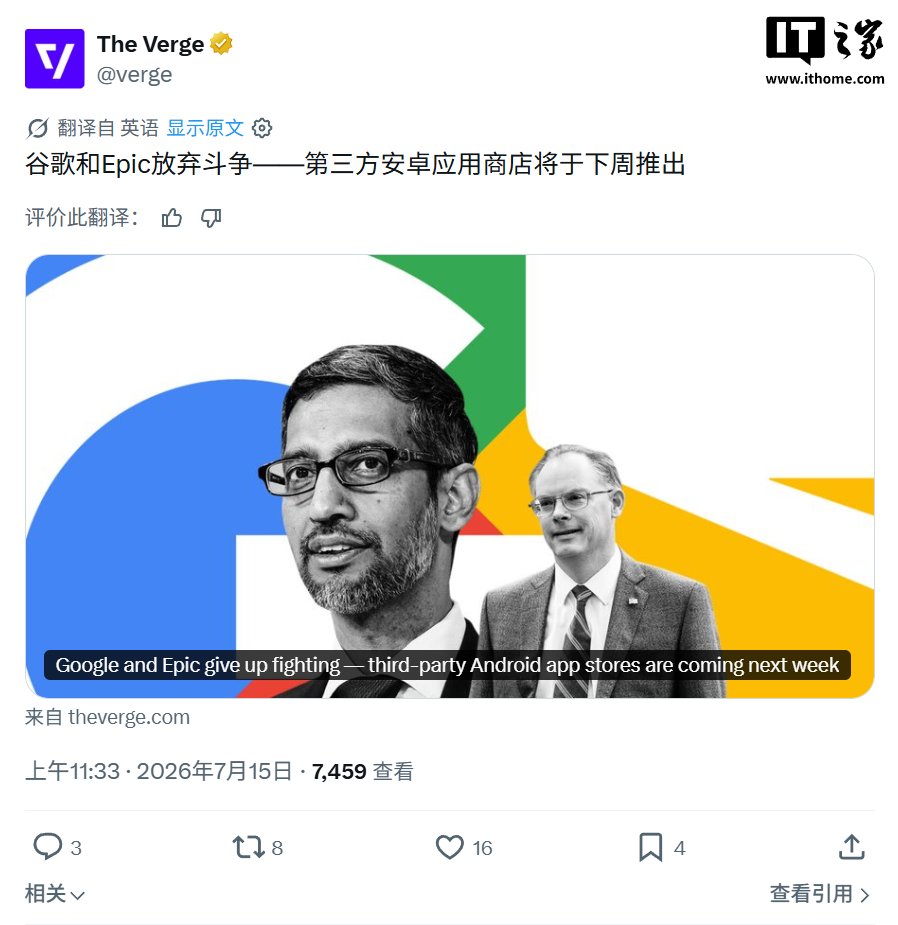
“We agreed to drop our requests to avoid further uncertainty for the Android app ecosystem,” Google spokesperson Dan Jackson said in a statement.
The practical impact lands quickly. Starting July 22, US users will be able to install alternative Android app stores directly through Google Play — the same way they install any other app. Developers can opt out of having their apps listed in third-party catalogs, but the default setting is participation. Google has also launched a formal Play App Catalog Access program that qualifying third-party stores can apply to join.
There are strings attached. Stores seeking catalog access must pay an annual $5,000 fee to cover security and policy reviews. They can only serve the US market. They must open their platform to all qualified third-party developers without discrimination. And they need to keep malware installation attempts below 1%. Google described these as baseline guardrails, not gatekeeping.
Outside the US, Google still plans to roll out its Registered App Stores model later this year alongside a new Android release. The approach there will be different: stores won’t appear inside Google Play itself, but the registration system will make sideloading them less of a security gamble. The result is a two-track Android ecosystem — one governed by court order in the US, another by Google’s own design everywhere else.
The $5,000 fee and the US-only restriction will likely draw criticism. Google has spent the past two years arguing that hosting third-party stores inside Google Play creates security risks that no amount of policy can fully address. The court disagreed, and now those risks — or the company’s claimed inability to mitigate them — will be tested in practice.
For Epic, this is a landmark win in its broader campaign against platform gatekeepers. For Android users in the US, it means real choice in how they discover and install apps, not just the theoretical option of flipping on sideloading in settings. Whether the stores that show up in Google Play offer anything genuinely different — better terms for developers or genuinely exclusive apps — will determine whether the ruling actually changes anything.