Microsoft's 2026 Surface Laptop proves 8GB of RAM isn't enough for Windows 11
Microsoft’s own 2026 Surface Laptop has inadvertently made the strongest case yet that Windows 11 needs more than the 8GB of RAM the company keeps insisting is enough. Independent reviews from The Verge and Neowin paint a picture of a machine that stutters under workloads most users would consider light — a handful of browser tabs, Slack, and a Teams call.
The entry-level 13-inch model costs $949 and packs a Qualcomm Snapdragon X Plus eight-core processor with 256GB of storage. That sounds reasonable on paper. The bottleneck is the 8GB of LPDDR5X RAM — the same amount Microsoft officially says is adequate for “daily use.” In practice, it’s not even close.
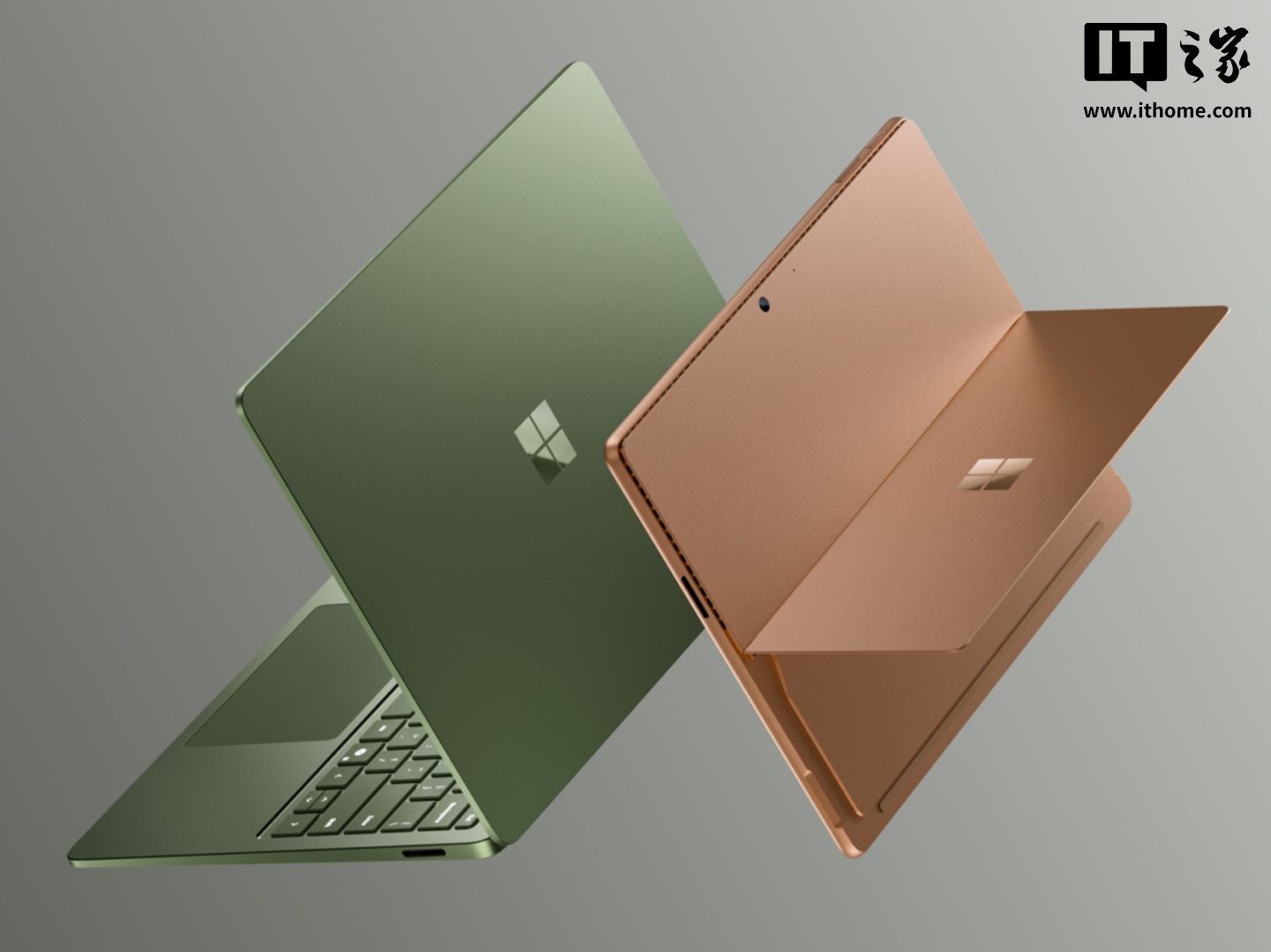
The Verge’s testers found that Windows 11 alone consumes 4.2GB of RAM after a fresh boot with minimal startup programs. That leaves roughly 3.4GB of the usable 7.6GB for everything else. During a Microsoft Teams call — desktop app, not browser — the entire laptop froze for several seconds when the host played a short video. The reviewer had only about 10 Chrome tabs, Slack, and Signal open. Nobody had their cameras on. Similar stutters happened several times a day.
The situation is made worse by a contradiction inside Microsoft’s own product strategy. The company’s Copilot+ PC hardware spec requires at least 16GB of RAM to run on-device AI features. That means the new $949 Surface Laptop, sold as a Windows 11 machine in 2026, can’t run the flagship AI capabilities Microsoft has been marketing all year. You’re paying for a Copilot+ PC badge without getting the Copilot+ experience.
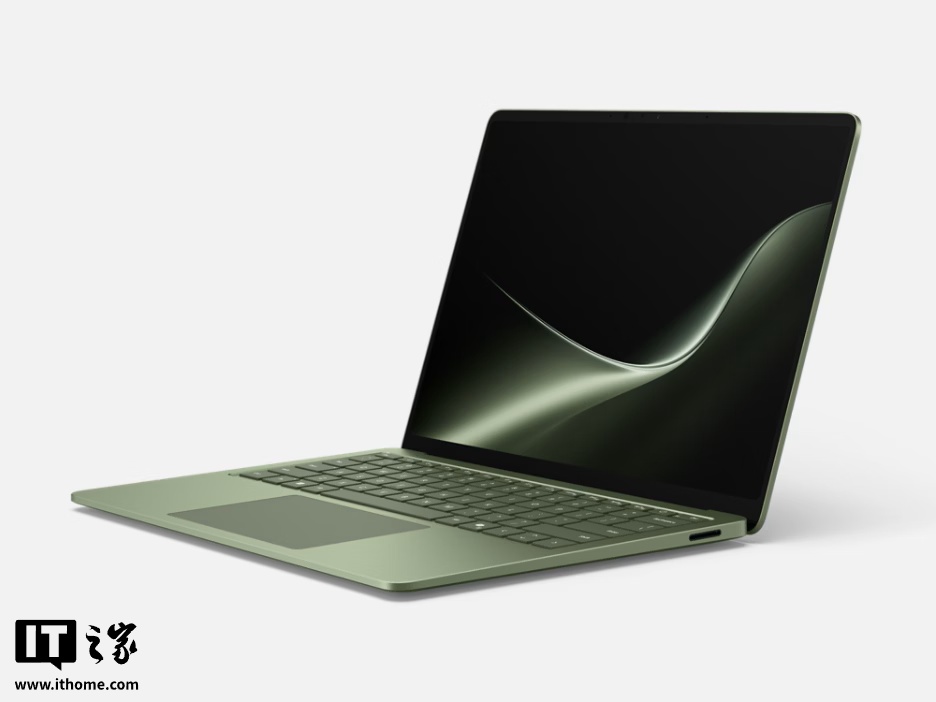
The pricing story only adds to the frustration. The 2025 13-inch Surface Laptop started at $899 with 16GB of RAM and 512GB of storage. In April 2026, Microsoft raised that configuration to $1,199, citing rising memory costs. The new $949 model costs more than last year’s base model but ships with half the RAM and half the storage. That’s a real downgrade dressed as an affordable option.
Microsoft isn’t alone here. The entire PC industry is grappling with surging DRAM prices. TrendForce projects that traditional DRAM contract prices will rise 13% to 18% in Q3 2026 compared to the previous quarter. At Computex 2026, multiple Windows laptops debuted with 8GB as the baseline — Dell’s XPS 13 at $699, Acer’s Swift Air 14 at $699. Lenovo warned at ISC 2026 that DRAM and NAND prices have entered a structural upward cycle that could last through 2030.
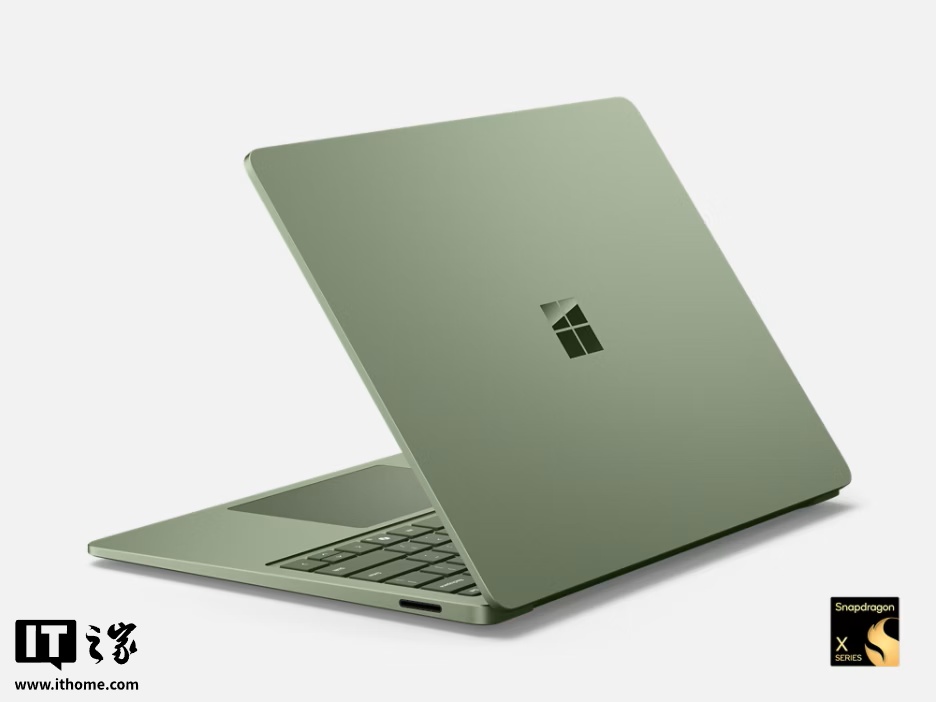
Microsoft quietly updated its Surface buying guide in June 2026 to describe 8GB as “suitable for everyday use — browsing, streaming, schoolwork, and productivity apps.” The same guide notes that 16GB or more is “the safer choice to make your laptop feel more future-proof.” The gap between those two descriptions is exactly as wide as it sounds.
The 2026 Surface Laptop is an honest product in an uncomfortable position. It reflects real supply-chain pressures and Microsoft’s reluctance to raise prices further. But the real-world experience — a $949 laptop that freezes during a video call — suggests the industry’s floor has shifted, whether manufacturers want to admit it or not.