The original PlayStation secretly supported 16MB RAM — and hobbyists just proved it
There’s a certain thrill in cracking open a decades-old console and finding secrets the engineers left behind. The original PlayStation, which launched in 1994 with just 2MB of RAM — four 512KB chips soldered onto the motherboard — was never supposed to need more. It ran Resident Evil, Final Fantasy VII, and Metal Gear Solid just fine.
But recently, a discovery emerged from the hardware modding community: Sony’s engineers had quietly designed the PS1 to support 16MB of memory. The extra capacity was intended for arcade hardware — Sony’s arcade boards used the same base architecture — but it never made it into the consumer consoles. Until now.
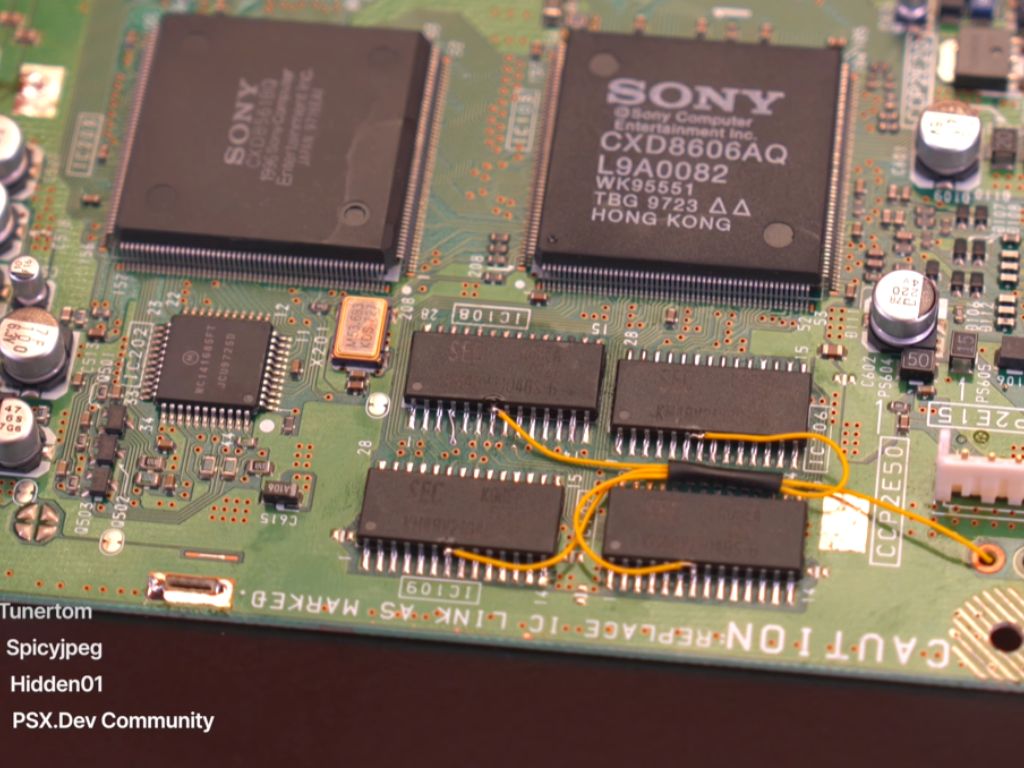
YouTube channel Macho Nacho Productions, hosted by Tito Perez, documented the full upgrade process. The build uses a 16MB RAM kit designed by a modder known as TunerTom, who reverse-engineered Sony’s arcade system boards. Those boards, he found, used two 8MB memory banks. Working with the PSX.Dev Discord community, TunerTom adapted the design for the home console.
The upgrade isn’t trivial. First, the original four 512KB chips need to be desoldered. Eight 2MB EDO RAM chips — scavenged from old PC memory sticks — replace them. Four go into the original positions, and four more are stacked on top. A custom QSB (Quick Solder Board) reroutes the memory signals. The installation also requires trace cuts, delicate wiring, and an extra resistor to make both 8MB banks work properly.
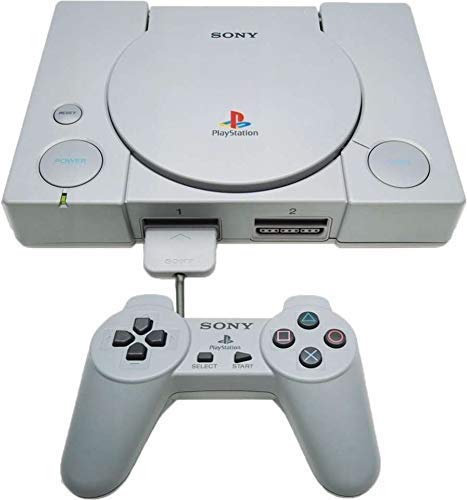
When it’s all done, most of the modification hides under the RF shield. From the outside, the console looks untouched.
The kit is compatible with most PS1 models, though the SCPH-5500 with its PU-8 motherboard works best. Not every original game benefits from the extra RAM — some run fine, others hit compatibility issues due to the new memory layout.
The real potential, though, lies in homebrew. Developers have already started porting classic games with visual enhancement patches — better LOD, smoother textures. One standout example: a port of Super Mario 64 that loads entirely into 16MB of RAM and runs on a stock PS1 motherboard.
It’s a reminder that even a 30-year-old console can still surprise us.