Samsung says it's finished Tesla's AI5 chip design on a 2nm process
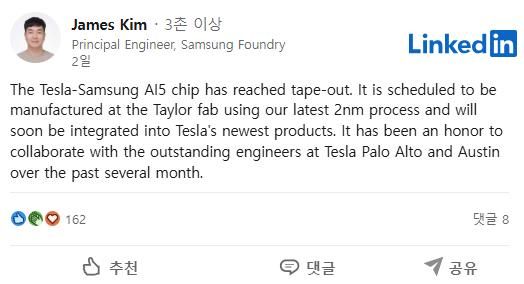
There’s a quiet race happening in the semiconductor world, and Samsung just signaled it might be closing the gap. The company’s chief engineer for foundry operations, James Kim, posted Monday that Samsung had completed the tape-out of Tesla’s next-generation AI5 chip — designed for Samsung’s 2nm process and destined for production at the company’s Taylor, Texas, factory.
Tape-out means the chip’s design is finalized and handed off to manufacturing. It’s not shipping tomorrow — Tesla’s roadmap still targets volume production in 2027 — but it’s the moment a design stops being a blueprint and starts becoming physical silicon. The next steps: photomask creation, engineering sample runs, customer validation, and eventually mass production.
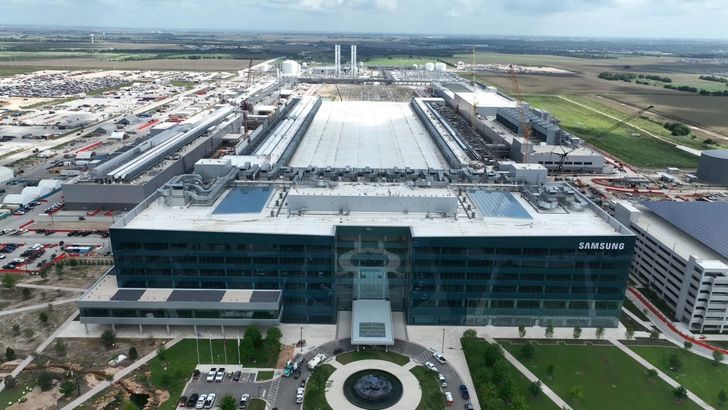
The post was deleted after media picked up on it, but not before confirming a detail that surprised industry watchers. Most analysts assumed Samsung’s 2nm node wouldn’t appear until Tesla’s AI6 generation. Kim’s post suggests AI5 itself is built on 2nm — which would make it one of the first major customer chips on Samsung’s most advanced process.
That dovetails with recent reports that Samsung’s 2nm yield rate has climbed past 60%, a threshold that makes the node commercially viable for big customers like Tesla. It’s also part of a broader turnaround narrative for Samsung Foundry, which has been fighting to regain credibility after years of yield struggles on its 3nm and 4nm nodes. The effort appears to be paying off — last week, reports surfaced that AI company Anthropic may also tap Samsung for its custom AI chip production.
Tesla CEO Elon Musk confirmed in April that the AI5 design had been submitted to both Samsung and TSMC, noting that the two foundries would produce slightly different versions of the chip because each translates designs into physical circuits differently. Samsung’s team has been adapting Tesla’s design to its own manufacturing process ever since. Kim’s post signals that work is complete.
Even with the tape-out milestone, AI5 won’t be going into cars anytime soon. During Tesla’s Q1 2026 earnings call, Musk said the chip would first power the Optimus humanoid robot and Tesla’s AI supercomputer clusters. The reasoning: current AI4 hardware already provides what Musk called “far better than human safety” for Full Self-Driving, so there’s no urgent need to upgrade vehicles.
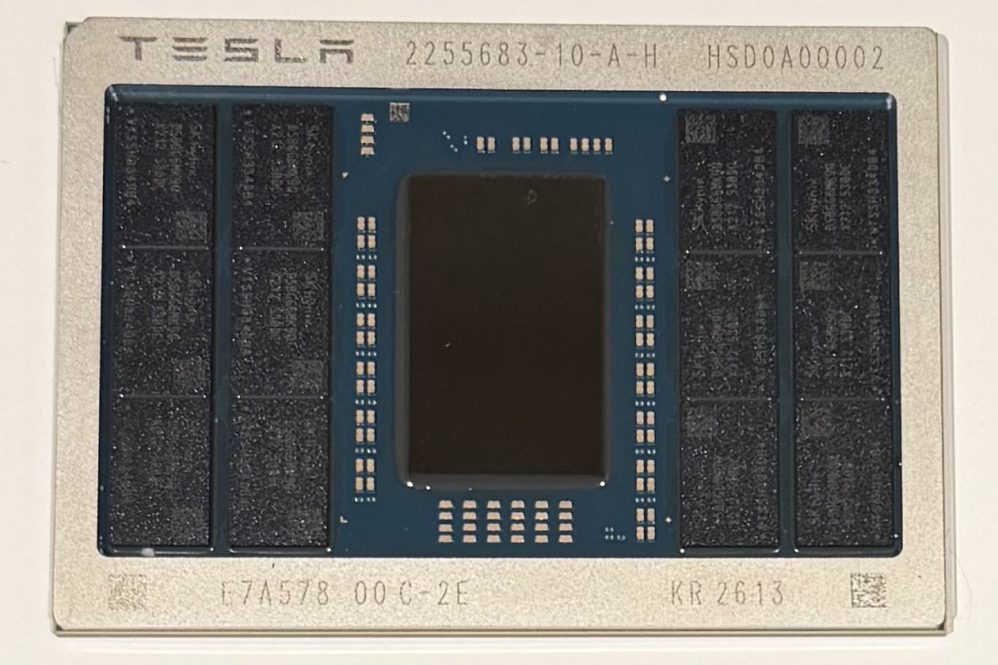
Instead, Tesla plans to extend AI4’s lifespan with an upgraded AI4.1 (also called AI4+) that doubles memory, increases memory bandwidth, and adds about 10% more compute performance. That refreshed hardware is expected to go into production next year. AI5 will eventually find its way into cars — but only after AI4 production becomes uneconomical to continue.
Samsung declined to comment on the report, citing customer confidentiality.