SenseTime's New AI Model Generates 8K Images and Claims Zero 'AI Taste'
There’s a strange irony in a company that builds AI models promising to eliminate the very thing that makes AI art recognizable. But that’s exactly what SenseTime is doing with its new SenseNova U1 Pro image generation model, unveiled Friday in Beijing.
The model, part of SenseTime’s broader SenseNova platform, targets what the company calls “professional design aesthetics” — a step beyond the usual arms race around how realistic AI images look. U1 Pro is built around four core capabilities, each addressing a distinct pain point in current AI image generation.
No more “AI look.” SenseTime claims U1 Pro produces images that don’t scream “generated by machine.” Instead of the glossy, slightly-off photorealism that characterizes most diffusion models, the output is designed to look like something a human designer would actually produce. The company is framing this as a shift from “detail fidelity” to “professional production quality” — images you could drop into a marketing deck without anyone raising an eyebrow.
Native 8K output. U1 Pro generates images at up to 8K native resolution. That’s significant because most image models top out at 2K or 4K and rely on upscalers that tend to blur fine details. SenseTime says text, lines, icons, and modular layouts stay crisp even at print and exhibition scale.
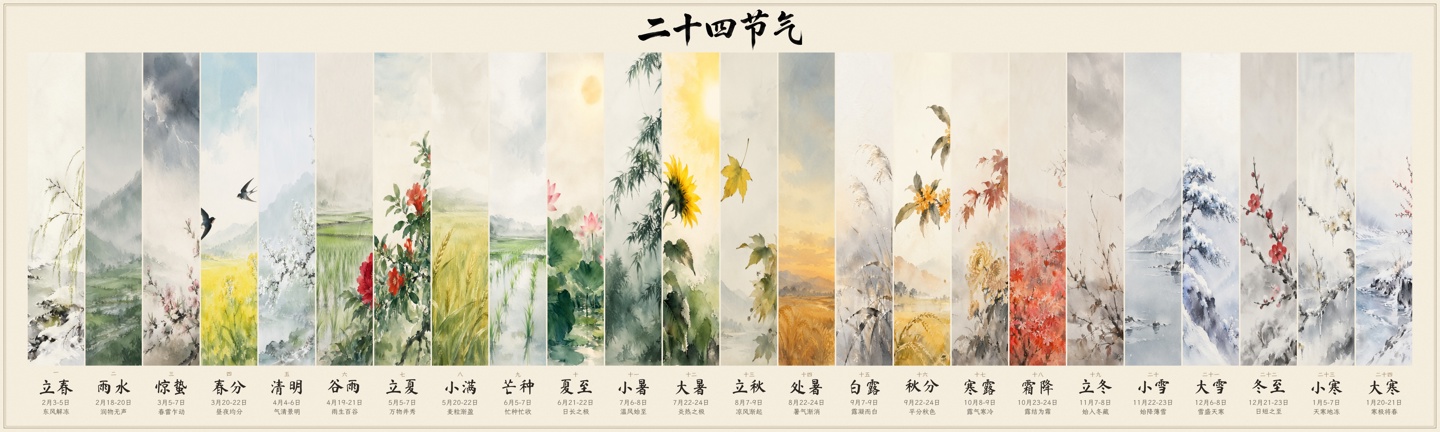
Text and image coherence. One of the most obvious tells of AI-generated images is garbled text — misspelled words, indecipherable characters, or text that looks right up close but breaks apart under inspection. U1 Pro integrates text rendering directly into its generation pipeline, keeping character-level accuracy even when the image is dense with information. The model processes both textual and visual cues together rather than layering text on top of an image as an afterthought.
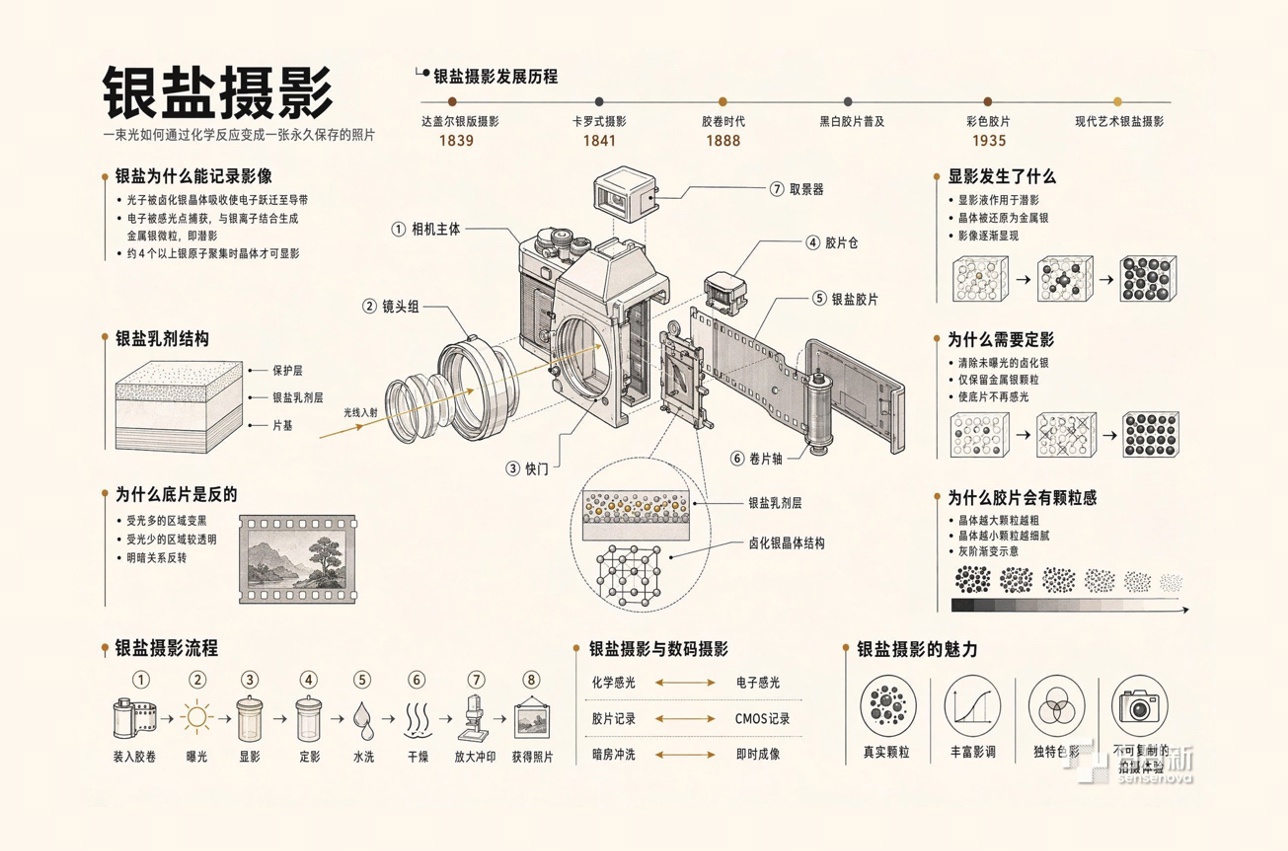
Long-chain agentic generation. The most technically interesting feature is what SenseTime calls an “Agentic Generation Loop” — the model can run through dozens of iterative generation cycles for a single complex prompt, refining output across a long chain of text-image reasoning steps. The latest version also enables simultaneous control of overall style and localized text, so you can edit individual elements of a composition without regenerating the entire image. This shifts the workflow from one-shot generation toward iterative design, which is closer to how human designers actually work.
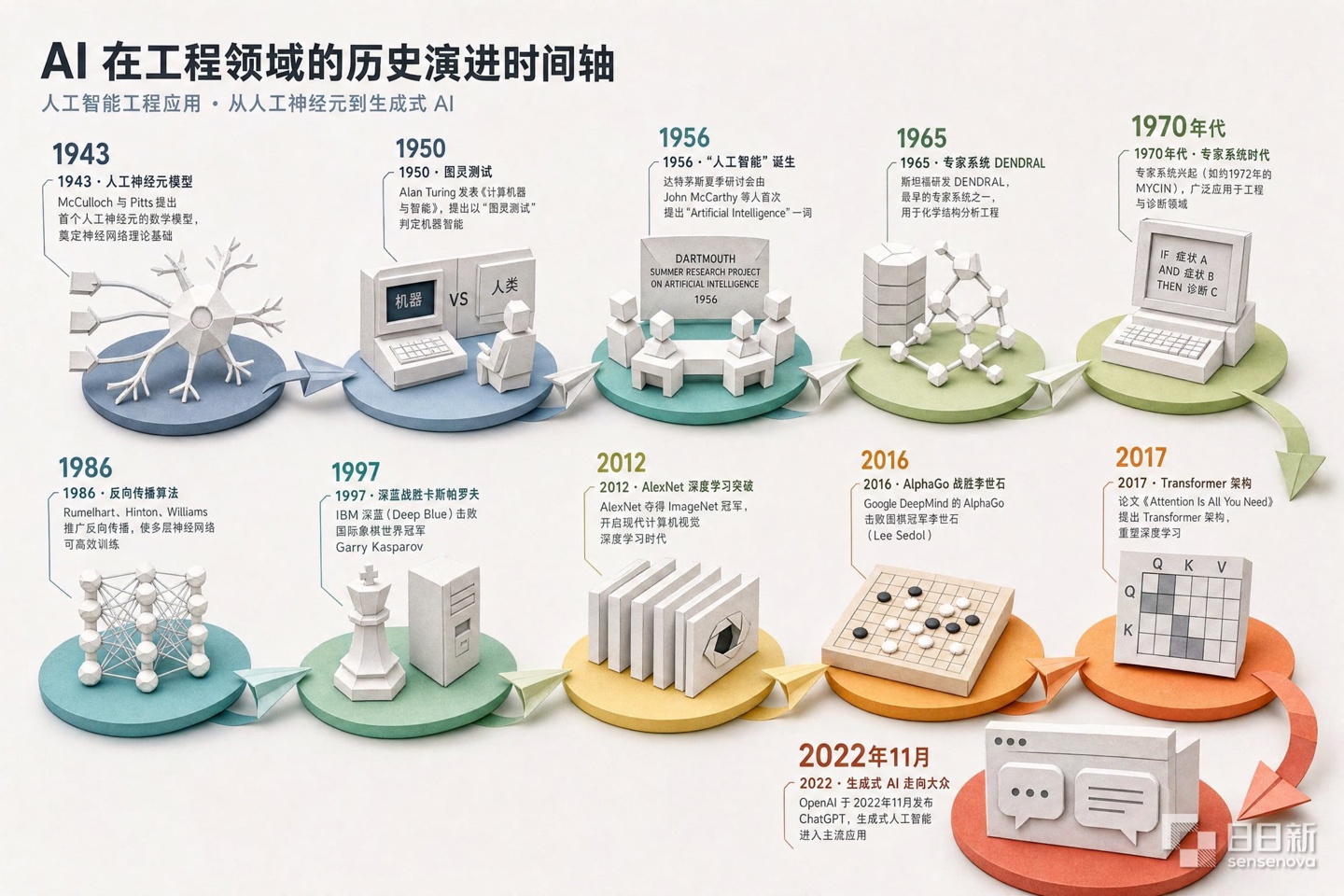
SenseTime hasn’t announced pricing, a public API, or a release timeline for U1 Pro. For now, the model appears to be targeted at enterprise customers already using the SenseNova platform — companies that need production-grade visual assets at scale without the obvious tells that give AI images away.
Whether U1 Pro actually delivers on the “no AI taste” promise is hard to judge without hands-on testing. But the direction is clear: the next frontier in image generation isn’t just higher resolution or faster rendering. It’s making the output indistinguishable from what a human would create — and SenseTime is betting that starts with getting the text right.