NIO's chip subsidiary debuts at WAIC with 5nm AI chips powering 300,000 vehicles
NIO’s chip subsidiary, Anhui Shenji Technology, showed up at the 2026 World AI Conference this week as a standalone exhibitor for the first time — and brought more than just car chips.
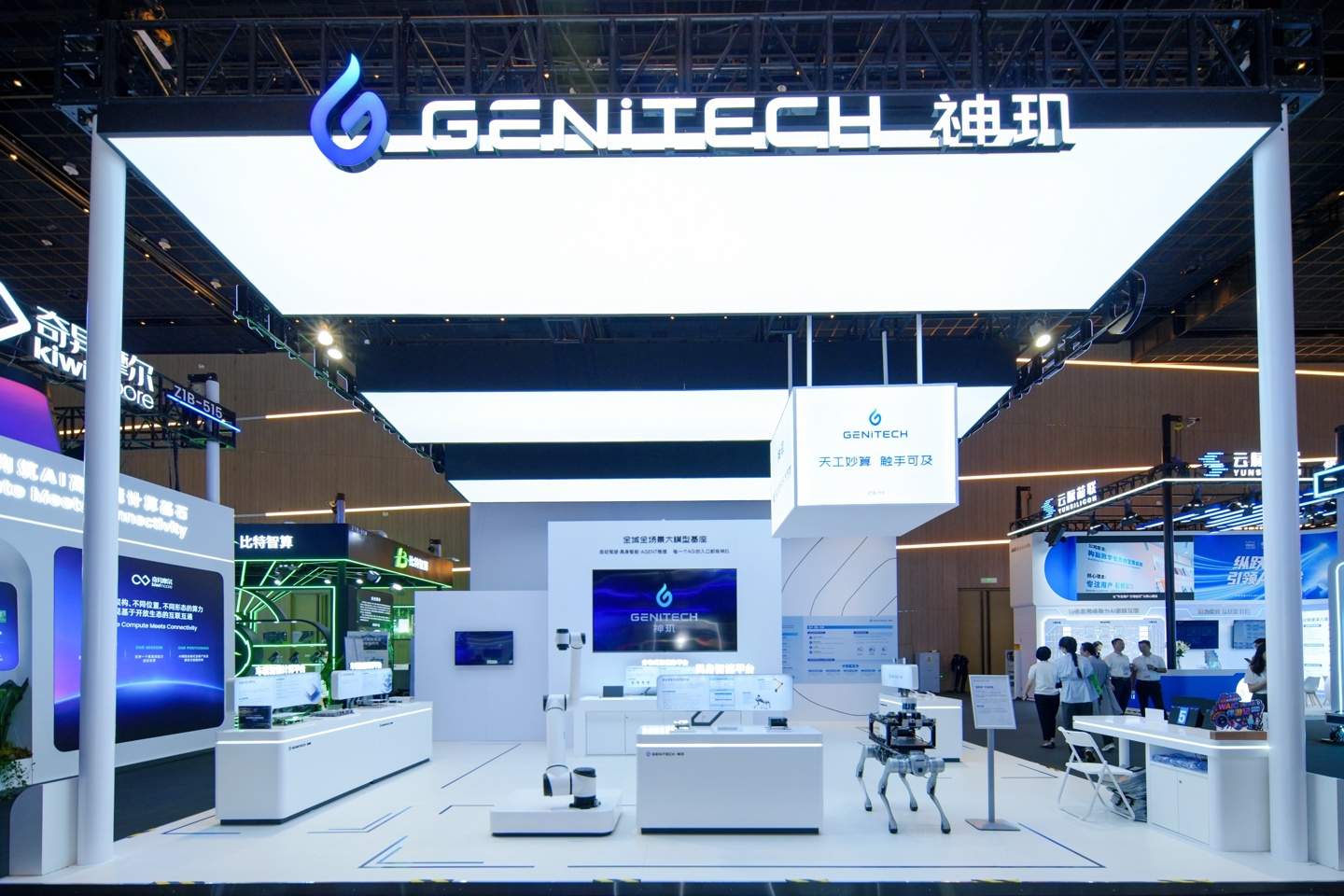
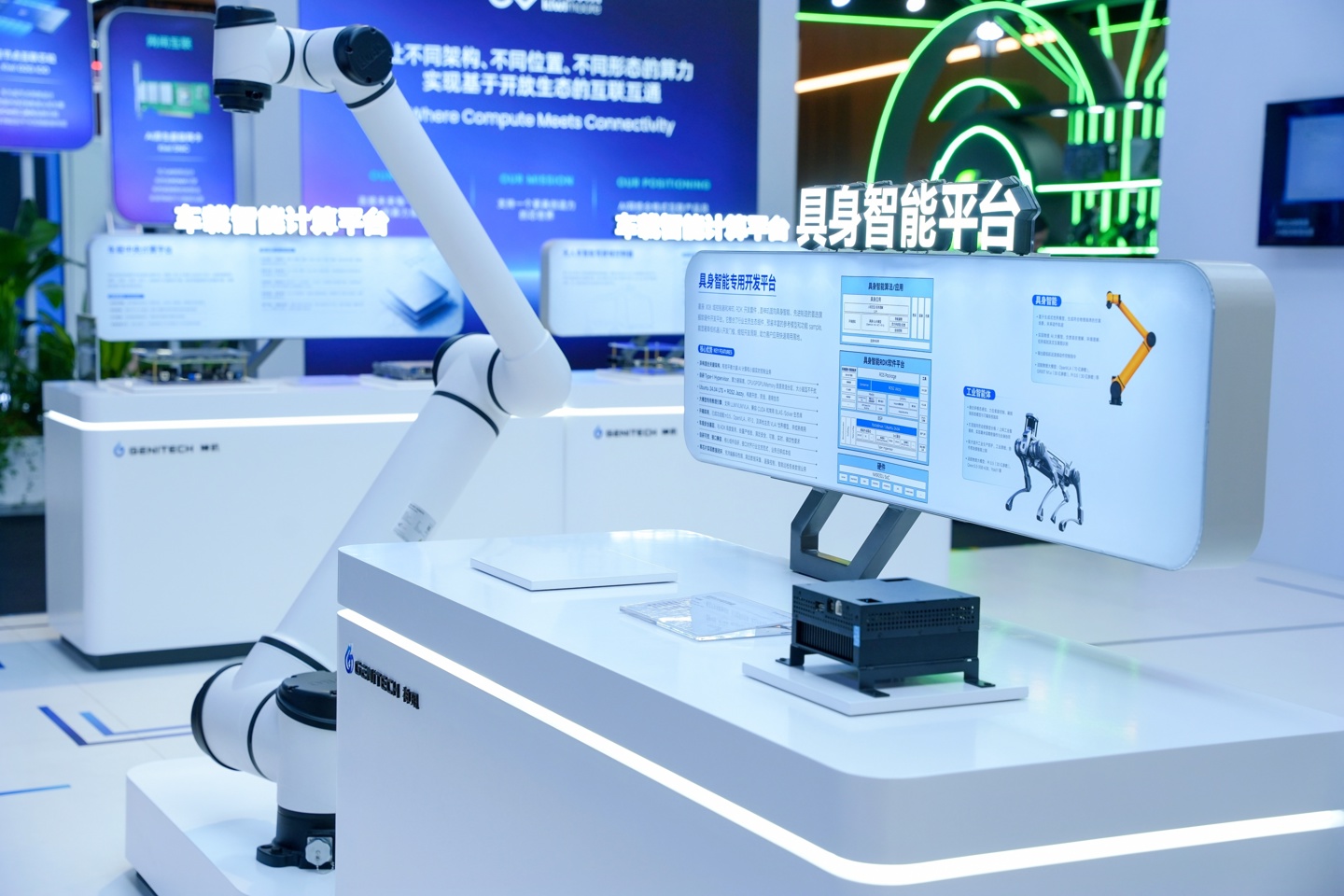
The company displayed its Shenji NX9031 series of chips alongside in-vehicle domain controllers, but the bigger news came from two new product launches: the “Ruidong” embodied intelligence development platform and a distributed agent platform. Shenji is positioning itself as a full-stack chip company that touches every flavor of AI needing silicon — from autonomous driving and embodied intelligence to agent reasoning.
Shenji now runs a three-tier chip lineup. The NX9031X handles high-end assisted driving and has already been deployed across NIO and Onvo brand vehicles, with cumulative shipments exceeding 300,000 units. The NX9031U, a mid-range 5nm automotive-grade chip, powers the new Ruidong platform — think robot brains running perception and autonomous planning models. The NX9031C rounds out the family, covering agent reasoning workloads.
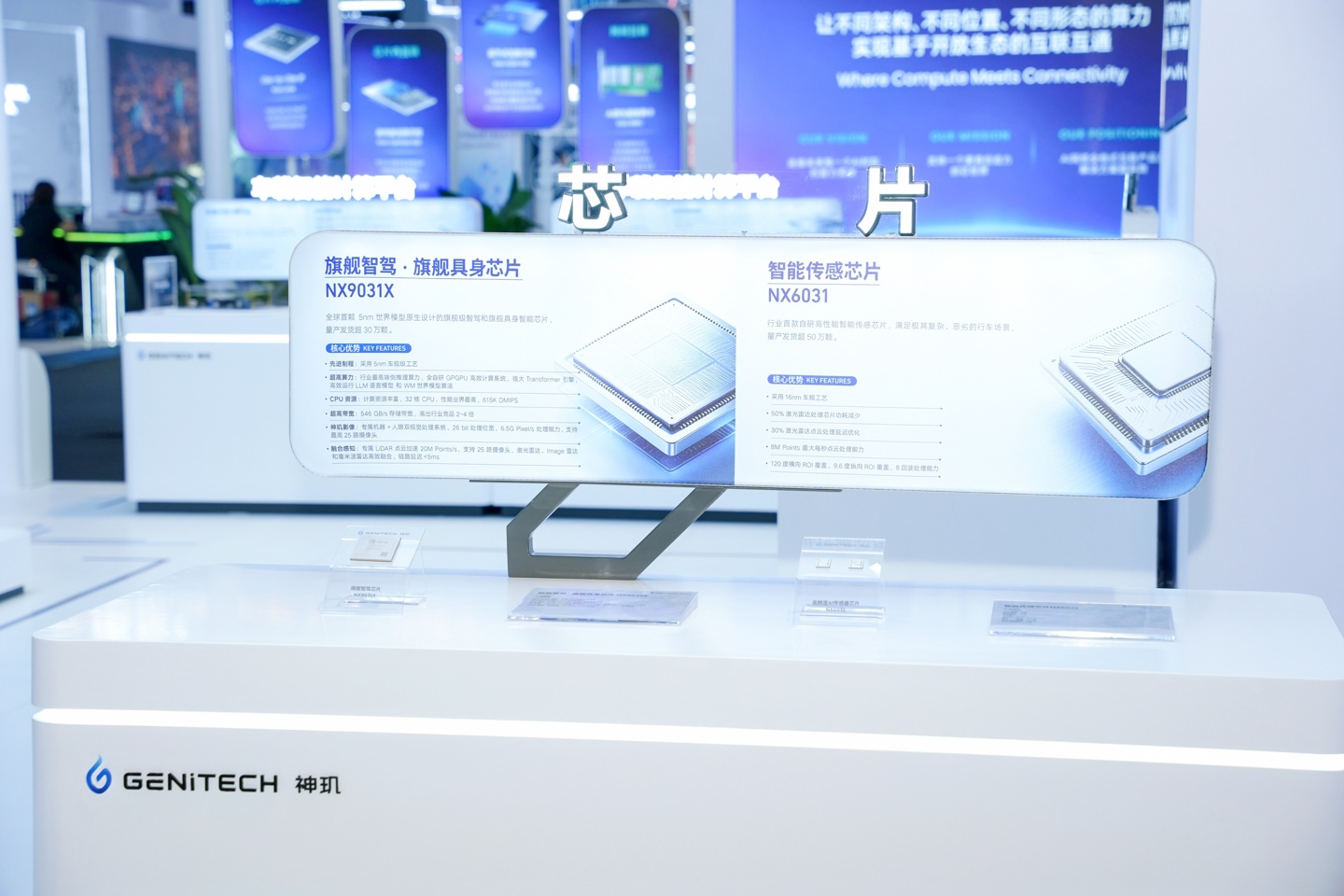
The NX9031 itself is no ordinary automotive chip. When NIO announced its successful tape-out in July 2024, the specs made headlines: over 50 billion transistors packed into a 32-core CPU architecture, paired with LPDDR5x RAM running at 8533 Mbps, and an ISP capable of processing 6.5 gigapixels per second with under 5 milliseconds of latency.
Speaking at an industry event in April, NIO CEO William Li offered a blunt rationale for why the company poured resources into its own silicon. By his account, NIO’s self-developed chips have already saved the company real money. Before going in-house, NIO was spending heavily on NVIDIA chips — at its peak, roughly $300 million worth per year (about 2 billion yuan at current exchange rates). “From our internal management accounting perspective, we’ve already saved the company a lot,” Li said at the time.