South Korea just hit an EV milestone — half of all new cars sold are now electrified
South Korea just crossed a line that few major auto markets have managed: for the first time in any half-year period, more than half of all new cars sold in the country were electrified.
New registrations for hybrids, battery-electric vehicles, and hydrogen fuel-cell cars hit 429,200 units in the first six months of 2026, according to data from the Korea Transport Ministry analyzed by local research firm Carisyou. That’s 50.4 percent of the 851,800 new cars registered during the period — a slim but symbolic majority.
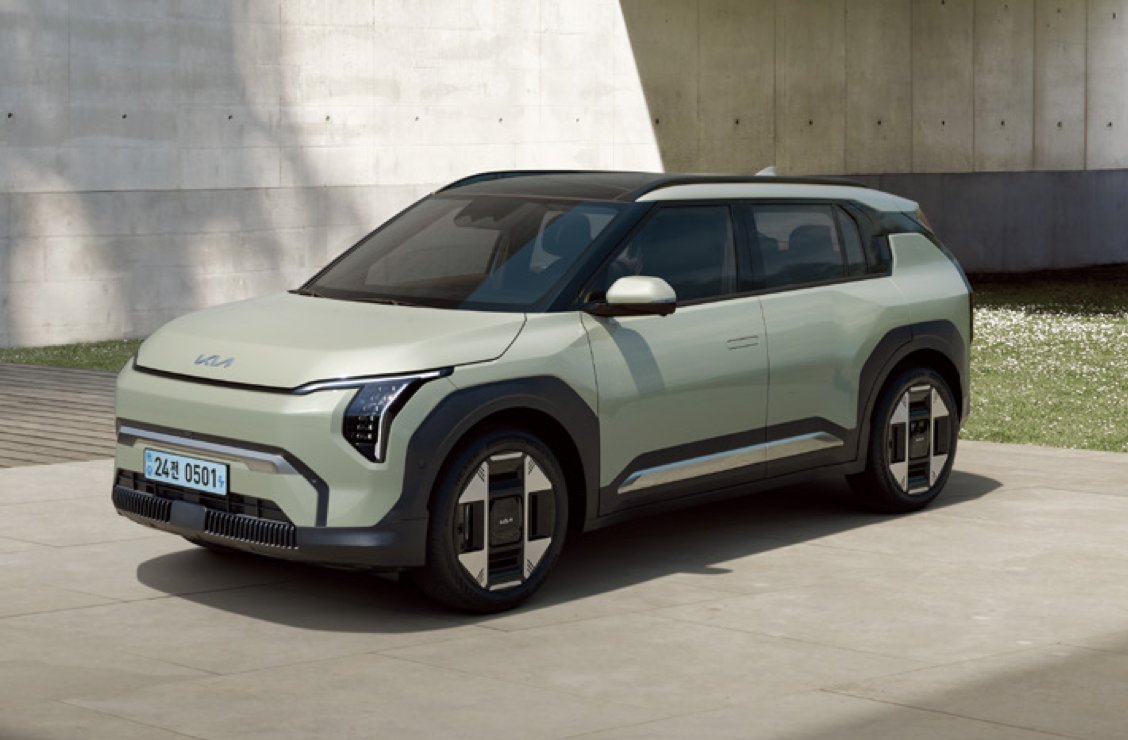
The most dramatic shift came from pure battery-electric vehicles. EV registrations surged 112.6 percent year-over-year to 199,000 units, making electrics the only fuel type that grew at all. Kia led domestic EV sales with 70,400 units, followed by Tesla at 56,100, Hyundai at 37,000, and BYD at 11,800. The Chinese automaker’s presence in the Korea EV top four is itself a relatively new development that would have been hard to predict a few years ago.
Hybrids remained a strong category at 227,000 units and 26.7 percent of the market, acting as a bridge for buyers not ready to go fully electric. Hydrogen fuel-cell cars, still a niche, accounted for just 3,175 registrations — 0.4 percent of total sales.
The consequence for combustion engines has been stark. Gasoline cars fell below 40 percent market share for the first time since 2016, landing at 39 percent with 331,800 units sold. Diesel, once a mainstay of the Korean auto market, dropped to just 27,400 registrations — 3.2 percent of the total. LPG vehicles, popular in taxi fleets and commercial use, held at 63,100 units or 7.4 percent.
A few things stand out about these numbers. First, the 50 percent threshold isn’t some distant target — South Korea has already passed it, and the trajectory suggests the gap will widen. EV sales alone are growing at triple-digit rates, and if that pace holds even partially, pure electrics could overtake hybrids within another year or two.
Second, the growth is happening without the kind of aggressive subsidy programs that drove earlier waves in China or Europe. South Korea phased down its EV purchase subsidies in 2025, yet demand kept accelerating — a sign that the market is starting to sustain itself on product appeal rather than government incentives.
And third, Kia’s dominance in the domestic EV market shows that Korean consumers aren’t just buying American or Chinese brands when they go electric. The EV6 and its siblings have proven genuinely competitive, and Hyundai’s Ioniq line is close behind. The home-team advantage is real when the home team makes good cars.
For context, South Korea now sits alongside Norway (which passed 90 percent EV market share years ago) and China (where NEVs crossed the 50 percent mark in mid-2023) as one of the few markets where electrified vehicles are no longer the exception. The difference is that South Korea got there faster than most analysts expected, and without the same level of policy-driven market engineering.
The data covers the first half of 2026 — January through June — and reflects only passenger cars registered with the Ministry of Land, Infrastructure and Transport. Commercial vehicles and trailers are excluded from the figures.