Tesla Recovered 14,000 Tons of Battery Materials in 2025 — Enough for 46,000 New Packs
One of the oldest knocks against electric vehicles is that their batteries end up as toxic waste — more environmental damage than they’re worth. Tesla’s latest recycling numbers put that argument on shaky ground.
The company’s 2025 Impact Report shows it recovered more than 14,000 metric tons of battery materials last year, a 20% jump from 2024. That haul is enough raw material to build roughly 46,000 long-range battery packs.
Two things drove the growth. More Teslas on the road means more batteries reaching end-of-life. And the manufacturing process itself generates more scrap as production scales up — all of which gets fed back into the recycling stream.
Before anything hits the shredder, Tesla tries to extend battery life through repair, remanufacturing, or repurposing for stationary storage — what the industry calls “second life” applications. Only when a battery can’t hold a useful charge anymore does it enter the final recycling stage. The company says no retired battery ends up in a landfill.
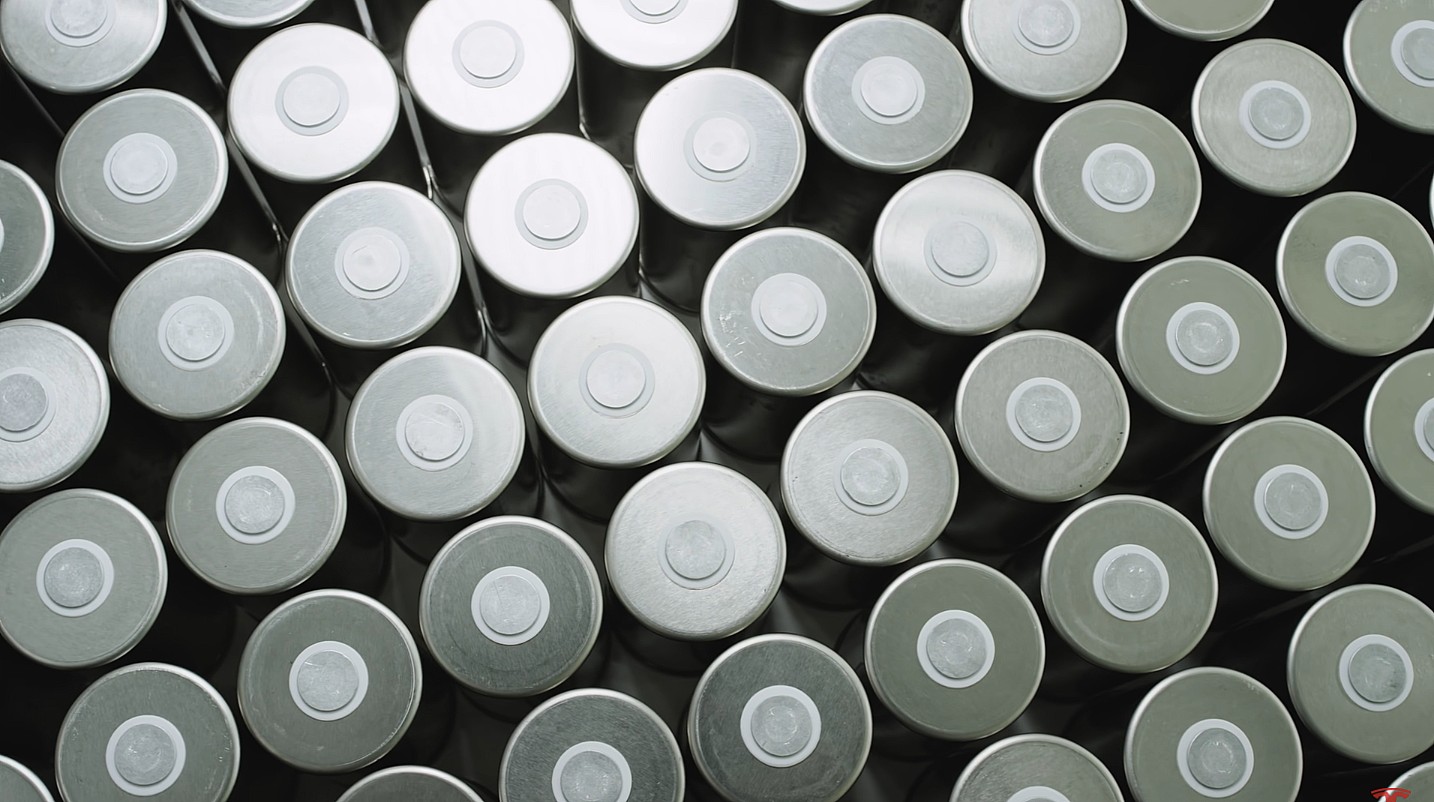
The recycling process itself is where the numbers get interesting. Tesla uses a hydrometallurgical approach — essentially using chemical solutions to leach metals out of crushed battery material — which recovers up to 98% of key metals including lithium, nickel, cobalt, and copper. That’s significantly better than traditional pyrometallurgical (smelting) methods, which are more energy-intensive and produce lower-purity output.
Those recovered metals go straight back into making new batteries, closing the loop on what would otherwise be a supply chain vulnerability. With global demand for lithium and cobalt straining mining capacity, recycling isn’t just an environmental play — it’s a strategic one.
Tesla operates its own recycling facilities at its Gigafactories and contracts with third-party processors to handle overflow from production scrap and returned packs. The company says further investments in recycling infrastructure and battery design-for-disassembly will push recovery volumes higher in coming years.
The broader picture is clear: as the EV fleet ages, the volume of recoverable materials will keep climbing. Building a closed-loop recycling system that can handle mass-market volumes isn’t cheap or easy, but the alternative — digging more holes in the ground — isn’t sustainable either.