Tesla Recalls 20,000 Model 3 and Y — and No, an OTA Update Won't Fix It
Tesla owners are used to waking up to a software update that quietly fixes a nagging issue or adds a new feature. But the recall notice that’s about to land on 20,000 mailboxes is different. This time, the problem is physical — the headlights are too bright by federal standards, and no amount of code rewriting can fix it.
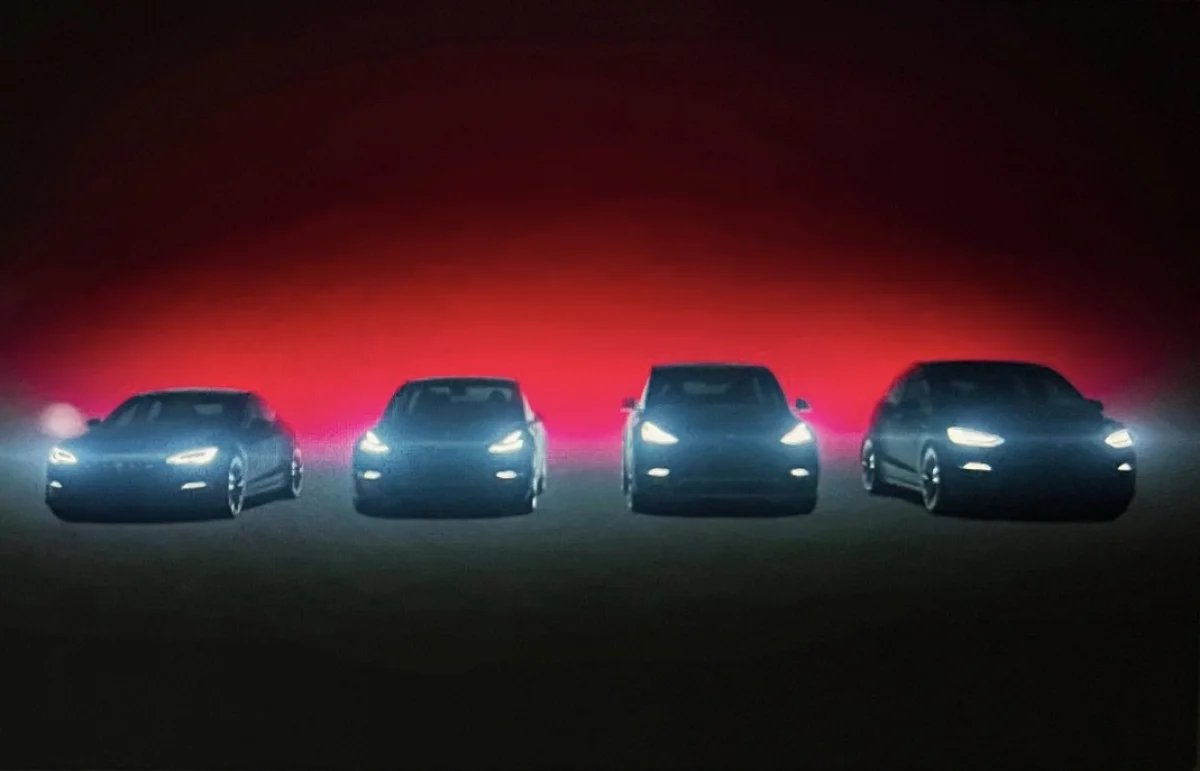
The National Highway Traffic Safety Administration has rejected a petition Tesla filed in 2024 to avoid a physical recall over low-beam headlight brightness. The ruling forces Tesla to formally recall approximately 19,900 Model 3 and Model Y vehicles from the 2017 to 2023 model years.
The vehicles’ low-beam headlights exceed the brightness limits set by Federal Motor Vehicle Safety Standard No. 108. Tesla had argued that the deviation was minor — a few percentage points over the limit — and posed no meaningful safety risk. The company also pointed to the absence of customer complaints, accidents, or injuries linked to the issue.
NHTSA disagreed. Even a marginal brightness excess increases glare for oncoming drivers and cyclists, the agency said, especially in rain, snow, or fog. Excessive glare does not just blind the other driver — it can also reduce the affected driver’s ability to see clearly, creating a compounding hazard the agency was unwilling to accept.
The decision aligns with growing public frustration over increasingly bright automotive lighting. A survey by the American Automobile Association found that roughly 60 percent of drivers consider nighttime headlight glare a significant safety concern. Nearly three-quarters of respondents said the problem has worsened over the past decade as LEDs and laser lighting have become standard equipment.
For Tesla, this recall breaks a well-worn pattern. Most of the company’s safety recalls in recent years have been resolved with an over-the-air software patch — no service center visit required. The headlight issue is different. Each affected vehicle must be physically inspected and recalibrated, and some may need replacement headlight assemblies.
Hardware recalls are rare for the Model 3 and Model Y lineup, but not unheard of. Last year, Tesla recalled roughly 13,000 units of the 2025 Model 3 and 2026 Model Y over a drivetrain defect that could cause sudden power loss. Most of the company’s physical recalls, however, have centered on the Cybertruck — including steel wheel rim issues and the detachable off-road lightbar that drew attention for its tendency to separate at highway speeds.
Tesla plans to mail formal notification letters to affected owners in the coming weeks, detailing the repair timeline and service center arrangements.