GTA 5's lead producer reveals Rockstar cut fully finished levels and complete mini-games
John Ricchio, who was lead producer on Grand Theft Auto V before leaving Rockstar, revealed that the final game is missing a staggering amount of content — including fully completed levels and mini-games that were nearly ready to ship.
Speaking to NotebookCheck, Ricchio described a development environment where teams were stretched so thin that Rockstar’s leadership routinely discarded work that had taken months to produce. The problem wasn’t quality in isolation; it was consistency. If a level or mini-game couldn’t be polished to the same exacting standard as everything else in the game, it got cut — even if it was functionally complete.
“We had no choice,” Ricchio said. “Some mini-games were completely done. They could have gone into the game right then. We were just missing animations, right? And the animation team was already drowning.”
GTA 5’s scope was enormous even after the cuts. The retail release includes roughly 60 random events, 20 “Strangers and Freaks” mission chains, and close to 42 different mini-games. That’s enough content to keep a player busy for hundreds of hours. But behind that number is a much larger pile of discarded work.
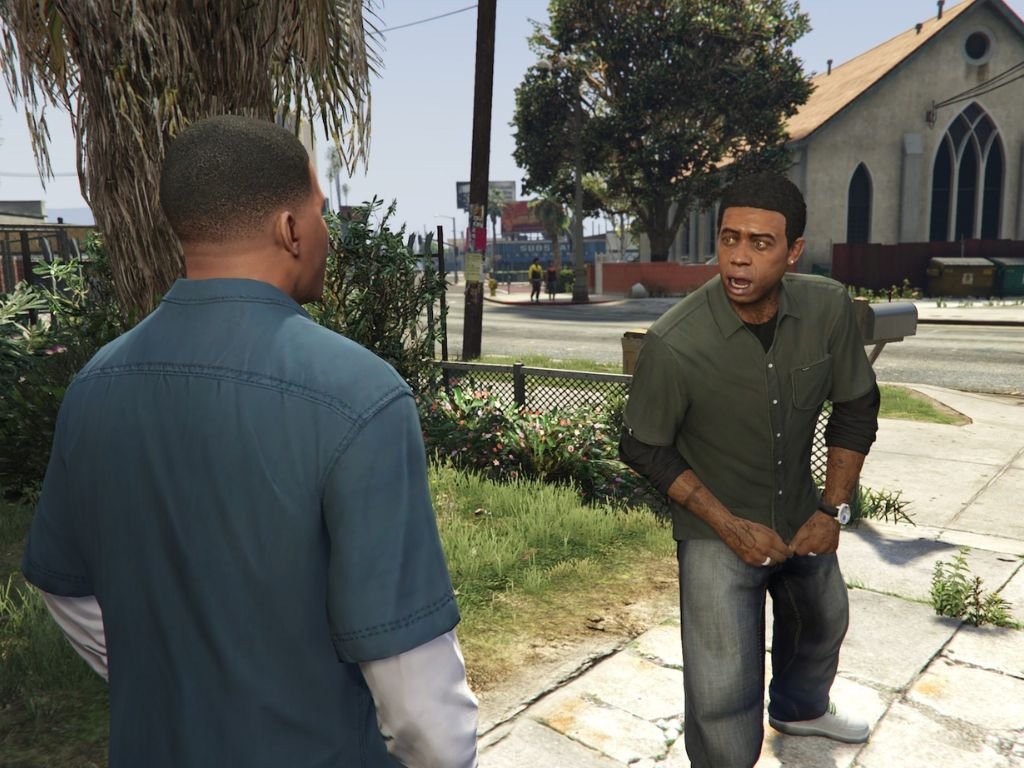
Ricchio said he still finds the scale of the deletions shocking when he looks back. Entire levels that were practically finished were thrown out because the teams that built them couldn’t also bring the rest of the game up to the same bar. Multiple mini-games that had cleared every hurdle except final animation were abandoned rather than shipped at a lower quality tier.
None of the cut content made it into DLC or later re-releases. It simply vanished.
“There’s just so much that GTA has done,” Ricchio reflected. “GTA 5 especially. God, the amount of stuff that was finished. It’s insane. Some of those mini-games, they were ready. Everything was there except maybe the animation pass. And the animation team was just crushed.”
The candid account offers a rare look behind Rockstar’s famously opaque development process — and a reminder that even a game that sold 200 million copies left a lot of good work on the cutting room floor. In large-scale game development, Ricchio noted, “you can’t have everyone decide on everything.”